
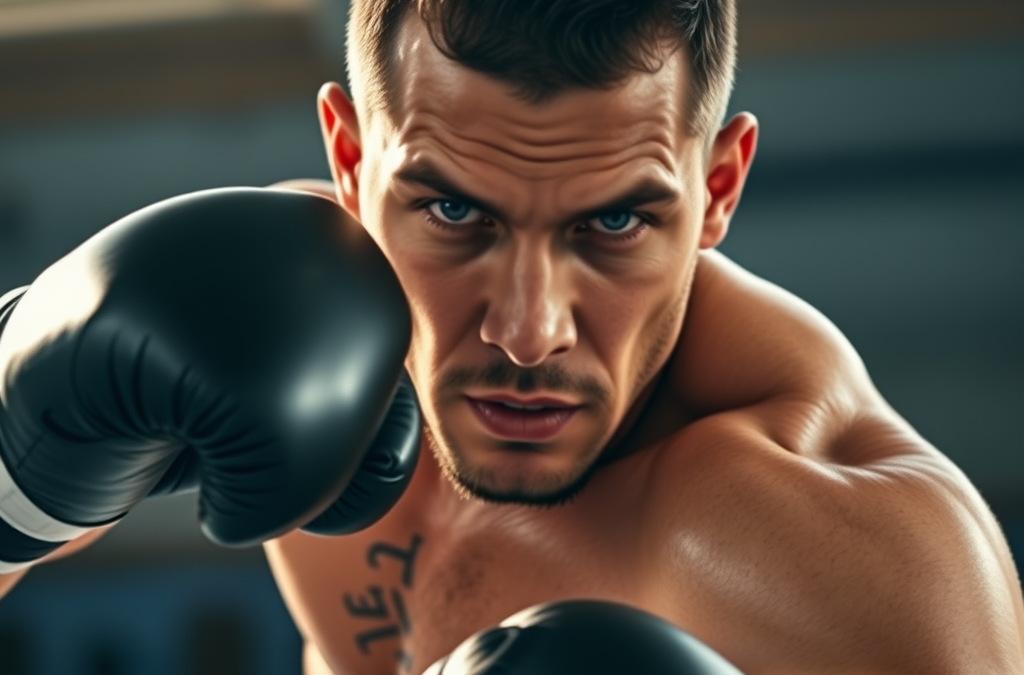
# Top Ten Boxers in the World: Unpacking the Pound-for-Pound Elite
The top ten boxers in the world represent the pinnacle of athletic skill, strategic mastery, and unwavering dedication in the sweet science. These elite athletes are defined by their impressive records, championship titles, and unique fighting styles that captivate audiences globally. They consistently demonstrate a rare blend of power, speed, defense, and mental toughness that sets them apart in the fiercely competitive world of professional boxing.
Understanding what elevates a boxer to the top tier isn’t just about wins; it’s about a rare blend of talent, dedication, and the ability to consistently perform at the highest level. This article explores the qualities, achievements, and impact of some of the most dominant and respected fighters gracing the sport today and in the recent past.
## What Makes a Boxer Truly Elite? Defining the Top Tier
When we talk about the **top ten boxers**, we’re not just listing names. We’re talking about athletes who possess a unique combination of physical gifts, learned skills, and an incredible mental game. It’s about what they do inside the ring, how they handle pressure, and the legacy they build.
### Beyond Wins and Losses: The Criteria for Greatness
A perfect record is impressive, but it’s not the only thing that makes a boxer great. Many legendary fighters have faced losses and come back stronger. Here are some key criteria:
* **Championships and Unifications:** Holding multiple world titles, especially unifying belts in a division, shows clear dominance.
* **Quality of Opposition:** Beating other top-ranked fighters, not just easy opponents, is crucial.
* **Longevity:** Staying at the top for many years, adapting their style as they age, speaks volumes.
* **Versatility:** The ability to fight effectively against different styles (punchers, boxers, slick movers) is a sign of true skill.
* **Resilience and Heart:** How a boxer responds to adversity, like getting knocked down or hurt, reveals their true character.
* **Impact on the Sport:** Do they draw huge crowds? Do they inspire new generations? Their broader influence matters.
### The Art of Combat: Skills and Technique
Boxing is often called the “sweet science” for a reason. It’s a complex dance of offense and defense.
* **Punching Power:** The ability to hurt or knock out opponents. This isn’t just about brute strength; it’s about timing, leverage, and accuracy.
* **Hand Speed:** Quick hands allow a boxer to land punches before their opponent can react, or to throw combinations rapidly.
* **Footwork:** Good footwork helps a boxer get into position to attack, avoid punches, and control the distance. It’s the foundation of both offense and defense.
* **Defense:** This includes head movement, blocking, parrying, and using angles to avoid being hit. The best defensive fighters are often the hardest to beat.
* **Ring IQ (Boxing Intelligence):** The ability to read an opponent, make adjustments during a fight, set traps, and execute a game plan. This is often what separates good fighters from great ones.
* **Stamina:** Being able to perform at a high level for all 12 rounds, especially in championship fights.
### Mental Fortitude: Heart, Guts, and Discipline
Boxing is as much a mental game as it is a physical one.
* **Confidence:** Believing in one’s abilities, even when facing a tough opponent.
* **Discipline:** Sticking to a training regimen, making sacrifices, and staying focused. This extends beyond the gym into diet and lifestyle.
* **Composure Under Pressure:** Staying calm and thinking clearly when the crowd is roaring, and punches are flying.
* **Desire to Win:** An unshakeable will to be victorious, pushing through pain and exhaustion. This “heart” is often what fans connect with most.
* **Adaptability:** Being able to change tactics mid-fight if the original plan isn’t working.
### Impact and Legacy: Shaping the Sport
The truly **top ten boxers** leave a lasting mark. They don’t just win fights; they change the way people think about boxing. They might popularize a new style, break attendance records, or inspire a whole new generation of athletes. Their stories become part of boxing history, discussed and admired for decades.
## The Unspoken Language of Boxing: Understanding Styles and Strategy
Every great boxer has a unique style. Understanding these styles helps us appreciate their genius and how they climb into the **top ten boxers** conversation.
### The Puncher: Power and Knockouts
A puncher’s main goal is to deliver devastating power shots that can end a fight with a single blow. They often have big, winding punches and focus on landing clean, heavy shots.
* **Strengths:** Exciting to watch, can finish fights early, instills fear in opponents.
* **Weaknesses:** Can sometimes lack finesse, might tire if they can’t land their big shots, sometimes easier to hit.
* **Examples:** George Foreman, Mike Tyson (classic examples).
### The Boxer-Puncher: Balanced Attack
This is often considered the ideal style. A boxer-puncher has good fundamental boxing skills – footwork, defense, jabs – but also possesses significant power. They can outbox you or knock you out.
* **Strengths:** Versatile, can adapt to different opponents, high finish rate but also good at winning rounds.
* **Weaknesses:** Requires a high level of all-around skill, can be caught between strategies.
* **Examples:** Canelo Álvarez, Gennadiy Golovkin.
### The Out-Boxer: Speed and Evasion
An out-boxer relies on speed, agility, and clever footwork to avoid punches while landing their own. They use their reach, jab, and movement to control the distance and frustrate opponents, often winning by decision.
* **Strengths:** Difficult to hit, excellent defensive skills, can dictate the pace and distance.
* **Weaknesses:** Sometimes lacks knockout power, can struggle against relentless pressure fighters.
* **Examples:** Floyd Mayweather Jr., Muhammad Ali (classic examples).
### The Swarmer/In-Fighter: Relentless Pressure
A swarmer likes to get inside, close the distance, and unleash a barrage of short, fast punches. They use relentless pressure and body shots to wear down their opponents.
* **Strengths:** Excellent stamina, can overwhelm opponents, excels at fighting in close quarters.
* **Weaknesses:** Vulnerable to uppercuts and hooks on the way in, needs to get past the opponent’s jab.
* **Examples:** Henry Armstrong, Manny Pacquiao.
The **top ten boxers** often show mastery of more than one style or have developed their own unique blend that defies easy categorization. This adaptability is a hallmark of true greatness.
## Debating the Best: Why “Top Ten” Lists are Always Dynamic
Talking about the **top ten boxers** is always a fun and fiery debate among fans and experts alike. Unlike a clear-cut championship belt, these lists are highly subjective and change over time. What makes a boxer great to one person might be different for another.
### The Pound-for-Pound Concept Explained
One common way to compare boxers from different weight classes is the “pound-for-pound” (P4P) ranking. This idea asks: “If all boxers were the same size, who would be the best?”
* **It focuses on skill:** P4P ranks a fighter based on their talent, technique, accomplishments, and dominance, rather than just their size or knockout power compared to bigger opponents.
* **It allows comparison:** Without P4P, comparing a flyweight champion to a heavyweight champion would be meaningless. P4P lets us see who has the most impressive *boxing ability*.
* **It’s subjective:** There’s no official P4P championship. It’s a hypothetical ranking based on expert opinions, making it a constant source of discussion.
### The Eye Test vs. The Record Book
When evaluating **top ten boxers**, people often use two main approaches:
* **The Eye Test:** This means simply watching a fighter. Do they look dominant? Are their movements fluid? Do they make difficult things look easy? The “eye test” is about instinct and feeling.
* **The Record Book:** This is about hard facts: wins, losses, knockouts, championship defenses, who they fought, and what titles they held. The record book provides concrete evidence of achievement.
The best evaluations often combine both. A fighter might have an amazing record, but if they look shaky against lesser opponents, the eye test might raise questions. Conversely, a fighter might look incredible, but if they haven’t fought top competition, their record might not reflect their potential.
### The Role of Eras and Competition
It’s really tough to compare boxers from different eras. How would Muhammad Ali fare against Mike Tyson? Or Sugar Ray Robinson against Floyd Mayweather Jr.?
* **Changes in Training:** Modern boxers have access to advanced sports science, nutrition, and training methods that weren’t available decades ago.
* **Differences in Rules:** Glove sizes, number of rounds, and refereeing styles have changed over time, impacting how fights play out.
* **Depth of Competition:** Some eras are considered “golden ages” with many elite fighters in a division, while others might have fewer standouts.
* **Evolution of Strategy:** Boxing tactics and defensive techniques have also evolved.
Because of these factors, it’s generally best to compare fighters within their own era or those whose primes overlapped. This article will focus on influential and dominant boxers from the modern era (roughly post-2000), acknowledging that all-time lists are a separate, equally compelling discussion.
## Introducing the Top Ten Boxers in the World (Current/Recent Era)
Here, we dive into the fighters who have truly defined recent boxing history, demonstrating unparalleled skill, resilience, and power. These individuals are often cited in discussions about the **top ten boxers** because of their exceptional performances and championship reigns.
### 1. Canelo Álvarez: The Mexican Megastar
Canelo Álvarez stands as one of the biggest names in boxing, a true superstar whose journey has been marked by ambition and undeniable talent. Born Santos Saúl Álvarez Barragán, he started boxing professionally at just 15 years old, quickly building a formidable record in Mexico before exploding onto the world stage. His rise was swift, capturing his first major world title at super welterweight (154 lbs) at the age of 20.
Canelo is renowned for his exceptional ring IQ and devastating power, particularly his body shots and counter-punches. He has shown an incredible ability to adapt his style, transitioning from a more aggressive fighter in his early career to a calculated, patient counter-puncher as he matured. His defense, featuring superb head movement and a tight guard, makes him notoriously hard to hit cleanly. He’s a master at slipping punches and immediately firing back with powerful, accurate counters.
Throughout his career, Canelo has sought out the biggest challenges, moving up in weight classes to prove his dominance. He has captured world titles in four different divisions: light middleweight, middleweight, super middleweight, and light heavyweight. His achievement of becoming the undisputed super middleweight champion, holding all four major belts simultaneously, cemented his place in boxing history as the first undisputed Mexican champion in that division. Key victories over Gennadiy Golovkin (twice), Miguel Cotto, Caleb Plant, and Sergey Kovalev (to win a light heavyweight title) highlight his willingness to face and defeat other elite fighters. His ability to draw massive crowds and pay-per-view buys makes him a global boxing icon and a consistent fixture in any **top ten boxers** discussion.
### 2. Oleksandr Usyk: The Ukrainian Maestro
Oleksandr Usyk is a boxing artist, a southpaw whose exceptional footwork, technical prowess, and relentless pace have seen him conquer two weight divisions. His amateur career was stellar, culminating in an Olympic gold medal at the 2012 London Games, a testament to his foundational skills. This strong amateur background gave him a unique blend of athleticism and technique rarely seen in professional boxing.
Usyk’s professional ascent began in the cruiserweight division, where he quickly established himself as the undisputed king. He achieved this feat by winning the World Boxing Super Series tournament, defeating top talents like Mairis Briedis and Murat Gassiev. What made this achievement even more remarkable was his ability to unify all four major world titles (WBA, WBC, IBF, WBO) in just 15 professional fights, a truly historic feat in modern boxing.
Following his cruiserweight dominance, Usyk made the audacious jump to heavyweight, a division often ruled by sheer size and power. Despite being smaller than most heavyweights, he has relied on his unparalleled movement, intricate footwork, superior stamina, and high-volume punching to outmaneuver and outclass his larger opponents. His landmark victories over Anthony Joshua (twice) showcased his ability to dictate the pace, land precise shots, and navigate the heavyweight landscape with a grace uncommon for the division. Usyk’s defensive skills, often likened to a matador avoiding a bull, allow him to frustrate opponents and create openings for his own attacks. His presence instantly elevates any conversation about the **top ten boxers** today.
### 3. Terence Crawford: “Bud” and the Switch-Hitting Threat
Terence “Bud” Crawford is widely regarded as one of the most versatile and adaptable boxers of his generation, a true master of fighting on the fly. Hailing from Omaha, Nebraska, Crawford’s understated demeanor outside the ring belies the ferocious competitor he becomes once the ropes are locked. His professional journey has seen him climb from lightweight to welterweight, leaving a trail of defeated champions in his wake.
What makes Crawford truly special is his incredible ability to switch stances seamlessly, fighting equally effectively from orthodox or southpaw. This rare skill allows him to confuse opponents, change angles, and exploit weaknesses throughout a fight. He possesses a high boxing IQ, constantly analyzing and adjusting, making him incredibly difficult to prepare for. Beyond his technical prowess, Crawford has genuine knockout power, demonstrated by his impressive stoppage rate against high-level opposition. He doesn’t just win; he often finishes fights decisively, earning him a reputation as a dangerous and exciting fighter.
Crawford became the undisputed junior welterweight champion, unifying all four major belts (WBA, WBC, IBF, WBO), a monumental achievement that solidified his status as an elite fighter. He then moved up to welterweight, where he continued his dominant run, securing the WBO title and defending it successfully multiple times. His eagerly anticipated clash with Errol Spence Jr., which he won decisively to become the first male boxer in the four-belt era to undisputed champion in two weight divisions, further cemented his legacy. Crawford’s blend of defensive skill, offensive firepower, and chameleon-like adaptability makes him a consensus pick in any **top ten boxers** discussion.
### 4. Naoya Inoue: “The Monster” of Japan
Naoya Inoue, famously known as “The Monster,” is a phenomenon in the lower weight classes, a fighter whose explosive power and surgical precision have earned him global recognition. From Yokohoma, Japan, Inoue captivated the boxing world from the moment he turned professional, rapidly ascending through divisions with breathtaking knockouts. He often seems a step ahead of his opponents, combining blistering speed with concussive force in every punch.
Inoue’s fighting style is defined by his clinical approach and relentless aggression. He possesses an uncanny ability to find openings and deliver fight-ending blows, particularly with his left hook and straight right hand. His body attacks are equally devastating, often wearing down opponents before he goes for the head. Despite his offensive firepower, Inoue is also technically sound, with good defense and excellent footwork that allows him to close distance quickly and escape danger. He has a calm, focused demeanor in the ring, appearing unfazed by the pressure of championship fights.
Inoue has achieved world titles in three different weight classes: light flyweight, super flyweight, and bantamweight. His undisputed reign at bantamweight, where he held all four major titles, was a testament to his complete dominance over the division. He then moved up to super bantamweight, quickly capturing more titles and continuing his unbeaten run. His track record of dismantling top contenders and champions, often within a few rounds, showcases a rare level of destructive talent. When boxing experts discuss the **top ten boxers**, especially in pound-for-pound terms, Inoue’s name is always at the forefront due to his electrifying performances and undeniable mastery.
### 5. Tyson Fury: “The Gypsy King”
Tyson Fury, “The Gypsy King,” is one of boxing’s most compelling and unconventional heavyweights. Hailing from Manchester, England, Fury’s story is one of incredible highs, personal struggles, and an inspiring comeback. His unique blend of immense size (standing 6’9″ tall) and surprising agility for a man his stature makes him a truly perplexing challenge for any opponent.
Fury’s fighting style is anything but typical for a heavyweight. While he possesses formidable power, he often relies on excellent footwork, head movement, and defensive instincts to frustrate his opponents. He can fight from both orthodox and southpaw stances, jab effectively, and use his massive reach to keep opponents at bay. What truly sets Fury apart is his mental fortitude and theatrical flair. He is a master of mind games, often engaging in playful banter and psychological warfare before and during fights. His ability to adapt his strategy mid-fight, coupled with his sheer will to win, has seen him overcome incredible odds.
His career-defining moment came when he dethroned long-reigning heavyweight champion Wladimir Klitschko in 2015, ending a decade of dominance. After a period of personal struggles and inactivity, Fury made one of the most remarkable comebacks in sports history, shedding significant weight and returning to the pinnacle of the sport. His epic trilogy with Deontay Wilder, particularly his two stoppage victories, showcased his evolution into a more aggressive, front-foot fighter with crushing power. As a two-time world heavyweight champion, Fury’s charisma, skill, and incredible journey firmly place him among the **top ten boxers** and one of the most recognizable figures in sports.
### 6. Errol Spence Jr.: The “Truth” in the Ring
Errol “The Truth” Spence Jr. is a formidable presence in the welterweight division, known for his relentless pressure, punishing body shots, and impressive amateur pedigree. Hailing from Long Island, New York, Spence brings a methodical, grinding approach to his fights that systematically breaks down opponents. His southpaw stance, combined with his high guard and strong jab, makes him a difficult puzzle to solve.
Spence’s fighting style is characterized by his consistent forward momentum and his ability to cut off the ring. He doesn’t necessarily rely on one-punch knockouts, but rather wears down his adversaries with a relentless barrage of power shots, especially to the body. His stamina is exceptional, allowing him to maintain a high work rate into the later rounds. As an Olympian for the United States in 2012, Spence honed his technical skills at the highest amateur level, which translated seamlessly into his professional career. He possesses a strong chin and an unshakeable will, often walking through punches to deliver his own.
He captured his first world title, the IBF welterweight belt, by traveling to England and stopping Kell Brook, a significant victory. He then unified the IBF, WBC, and WBA titles, proving his dominance in arguably one of boxing’s deepest divisions. Key victories over Mikey Garcia, Shawn Porter, and Danny Garcia showcased his ability to defeat diverse, top-tier competition. Despite facing significant personal adversity, including a serious car accident, Spence’s determination to return to the ring and compete at the elite level speaks volumes about his character. His consistent performance against top-tier opposition ensures his place in any discussion about the **top ten boxers**.
### 7. Artur Beterbiev: The Knockout Machine
Artur Beterbiev is a chilling force in the light heavyweight division, distinguished by his perfect professional record, where every single one of his wins has come by knockout. Originally from Dagestan, Russia, Beterbiev’s amateur career was highly decorated, including two European Championship gold medals and a World Championship silver, giving him a deep reservoir of experience and fundamental skill.
What defines Beterbiev is his overwhelming power, delivered with surgical precision. He doesn’t waste punches; every shot he throws is intended to do damage. His style is built on relentless pressure, cutting off the ring expertly, and walking through opponents’ best shots to deliver his own concussive blows. He has an intimidating aura, often appearing unfazed by incoming fire as he steadily advances. While known for his power, Beterbiev also possesses a solid technical foundation, using intelligent feints and footwork to create openings for his devastating punches.
Beterbiev has unified three of the four major light heavyweight world titles (WBC, IBF, WBO), dominating a division historically known for its tough fighters. His victories over Oleksandr Gvozdyk and Joe Smith Jr., both by knockout, were particularly impressive, as they cemented his status as the undisputed force in his weight class. He is a rare blend of brute strength and refined technique, making him one of the most feared punchers in all of boxing. For pure, destructive efficiency against high-level competition, Beterbiev undeniably earns a spot when discussing the **top ten boxers**.
### 8. Dmitry Bivol: The Undefeated Technician
Dmitry Bivol, also hailing from Russia, presents a stark contrast to his compatriot Beterbiev, yet is equally dominant in the light heavyweight division through masterful technique and intelligence. Bivol’s style is often described as classical boxing at its finest: precise, disciplined, and defensively astute. His amateur record was incredibly impressive, with very few losses, building the foundation for his professional success.
Bivol operates with a smooth, fluid style, relying on excellent footwork, a crisp jab, and superior defensive fundamentals. He doesn’t possess the one-punch knockout power of some of his peers, but his punches are accurate, cumulative, and consistent. He excels at ring generalship, controlling the distance and pace of the fight, making opponents fight on his terms. His defense is a thing of beauty, often slipping and parrying punches with subtle head movement and body angles, making him extremely difficult to hit cleanly. He is known for his calm demeanor and ability to maintain composure under pressure, rarely getting rattled.
As the WBA (Super) Light Heavyweight Champion, Bivol has held his title for an extended period, making numerous successful defenses against a variety of contenders. His career-defining moment came with a stunning upset victory over pound-for-pound king Canelo Álvarez, where Bivol outboxed and out-thought the Mexican superstar over 12 rounds. This victory not only showcased Bivol’s elite skill but also proved his ability to perform under the brightest lights against the sport’s biggest names. His strategic brilliance and flawless execution make him an undeniable inclusion when listing the **top ten boxers** in terms of technical mastery.
### 9. Gervonta Davis: “Tank” and the Crowd Pleaser
Gervonta “Tank” Davis is one of boxing’s most electrifying talents and a certified pay-per-view star, renowned for his explosive knockout power and thrilling fights. From Baltimore, Maryland, Davis possesses a unique blend of athleticism, timing, and concussive force that has made him a fan favorite across multiple weight classes. He is a southpaw who often appears patient, lulling opponents into a false sense of security before unleashing a devastating, fight-ending blow.
Davis’s fighting style is built around his exceptional power and precise counter-punching. He has a knack for finding the perfect moment to unleash a knockout punch, often delivered with terrifying speed and accuracy. Despite his power, he is also an intelligent boxer, capable of using feints and angles to set up his attacks. His defense is solid, with good head movement and footwork allowing him to evade shots while positioning himself for counters. “Tank” has an undeniable charisma that transcends the sport, drawing huge crowds and making him one of the most marketable fighters today.
He has captured world titles in three different weight classes (super featherweight, lightweight, and junior welterweight), showcasing his ability to carry his power and skills effectively as he moves up. His highlight-reel knockouts against contenders like Leo Santa Cruz, Mario Barrios, and Ryan Garcia have cemented his reputation as a must-watch fighter. Davis’s ability to sell out arenas and consistently deliver thrilling finishes makes him a compelling figure in any **top ten boxers** conversation, representing the new wave of boxing superstars.
### 10. Vasiliy Lomachenko: “Loma” and the Matrix
Vasiliy Lomachenko, often referred to as “Loma” or “The Matrix,” is a Ukrainian boxing prodigy widely considered one of the most technically gifted fighters of his generation. His amateur career is legendary, boasting an astonishing record of 396 wins and only 1 loss, along with two Olympic gold medals (2008 and 2012). This unparalleled amateur background laid the groundwork for a professional style unlike any other.
Lomachenko’s fighting style is characterized by his incredible footwork, intricate angles, and dizzying combinations. He moves around the ring with unparalleled grace and precision, often appearing to float, making him incredibly difficult to pin down. His unique offensive approach involves breaking down opponents systematically, often overwhelming them with a high volume of punches from unexpected angles. He uses pivots, feints, and fakes to create openings, making his opponents chase ghosts. His defensive skills are equally impressive, relying on head movement and body shifts to avoid punches.
Despite starting his professional career with an early loss, Lomachenko swiftly captured world titles in three different weight classes (featherweight, junior lightweight, and lightweight) in a record-setting number of fights. He unified multiple belts at lightweight, solidifying his dominance. While he may not possess one-punch knockout power, his cumulative punching and ability to frustrate and disorient opponents often lead to stoppages or one-sided decisions. His battles with top fighters like Jorge Linares, Luke Campbell, and Jose Pedraza showcased his elite skill. “Loma’s” revolutionary style and technical mastery ensure his place among the **top ten boxers** known for pushing the boundaries of the sweet science.
## Beyond the Apex: Other Noteworthy Contenders and Rising Stars
While the discussion often centers around the **top ten boxers**, the sport is rich with talent. Many other fighters deserve recognition for their skill, achievements, and potential.
### The Next Generation: Who’s on the Horizon?
Boxing is constantly evolving, with new talents emerging to challenge the established guard. Keep an eye on fighters who are still building their championship resumes but show immense promise. These could be the future **top ten boxers**.
* **David Benavidez:** A powerhouse in the super middleweight division, known for his relentless pressure and volume punching. He’s often seen as a potential challenger to Canelo Álvarez.
* **Devin Haney:** A highly skilled, defensively sound lightweight and junior welterweight who has already become an undisputed champion. His technical prowess and ring IQ are exceptional.
* **Jermell Charlo:** A unified junior middleweight champion with significant power and experience, always a threat in his division.
* **Shakur Stevenson:** An Olympic silver medalist with incredible defensive skills, slick movement, and growing power, quickly rising through the featherweight and junior lightweight ranks.
These are just a few names, but the beauty of boxing is that there’s always a new star on the rise, ready to make their mark and climb the ranks to become one of the **top ten boxers**.
### Honorable Mentions: Legends Who Shaped the Game
While our **top ten boxers** list focuses on the modern era, it’s important to briefly acknowledge some legends whose impact on the sport is immeasurable and who would undoubtedly feature on any all-time list. Their influence still resonates today.
* **Floyd Mayweather Jr.:** An undefeated maestro of defense, often considered the greatest defensive boxer of all time. His technical skill and business acumen made him a global phenomenon.
* **Manny Pacquiao:** The only eight-division world champion in history, a whirlwind of speed and power who captivated fans for decades with his aggressive style.
* **Gennadiy Golovkin:** A middleweight powerhouse with devastating knockout power and an incredible amateur background, known for his “big drama show” fights.
* **Andre Ward:** An undefeated Olympic gold medalist and two-division world champion, known for his tactical brilliance and ability to nullify opponents.
These legends remind us of the rich history of boxing and the enduring qualities that define greatness, setting the standard for current and future generations of **top ten boxers**.
## The Science of Training: How Top Boxers Reach the Peak
Becoming one of the **top ten boxers** isn’t just about natural talent; it’s the result of countless hours of brutal training, meticulous planning, and unwavering discipline. It’s a full-time job that pushes the human body and mind to their limits.
### Physical Conditioning: Strength, Speed, and Endurance
Boxers need a unique blend of physical attributes. Their training reflects this.
* **Strength Training:** Not about becoming bulky, but about developing functional strength for punching power, core stability, and resistance to being pushed around. This includes bodyweight exercises, lifting, and resistance bands.
* **Speed and Agility:** Footwork drills, ladder drills, jump rope, and shadowboxing help improve quickness and reaction time. Fast hands come from dedicated practice with focus mitts and speed bags.
* **Endurance (Cardio):** Long runs, interval training, swimming, and cycling build the stamina needed to perform at a high level for 12 intense rounds. Boxers often run many miles a day.
* **Plyometrics:** Explosive exercises like box jumps help build power and quick twitch muscle fibers for powerful punches and fast movements.
### Technical Drills: Sharpening the Tools
This is where the “science” in “sweet science” comes in.
* **Shadowboxing:** Practicing punches, footwork, and defensive moves in front of a mirror to refine technique and muscle memory.
* **Heavy Bag Work:** Developing power, timing, and combinations.
* **Speed Bag:** Improving hand-eye coordination, rhythm, and shoulder endurance.
* **Double-End Bag:** Sharpening accuracy, timing, and defensive head movement against a moving target.
* **Focus Mitts:** Working directly with a coach to perfect combinations, defense, counter-punches, and ring generalship. This is crucial for developing fight-specific strategies.
* **Sparring:** The closest thing to a real fight. Boxers spar with partners to apply techniques, test game plans, and get used to taking and giving punches in a controlled environment.
### Mental Preparation: The Mind Game
The physical is only half the battle. The best boxers have an iron will.
* **Visualization:** Mentally rehearsing fights, imagining success, and planning for different scenarios.
* **Mindfulness and Meditation:** Staying calm, managing stress, and improving focus.
* **Strategy Sessions:** Reviewing opponents’ fights, planning specific tactics with coaches, and understanding their own strengths and weaknesses.
* **Goal Setting:** Having clear, achievable goals, from daily training targets to championship aspirations.
* **Dealing with Pressure:** Learning to thrive under the immense pressure of big fights, crowds, and media attention.
### Nutrition and Recovery: Fueling the Champion
You can’t train hard without proper fuel and rest.
* **Strict Diet:** Eating clean, balanced meals to provide energy, build muscle, and maintain optimal weight. This is a critical part of making weight for fights.
* **Hydration:** Drinking enough water to prevent fatigue and support bodily functions.
* **Sleep:** Adequate rest is essential for muscle repair, energy restoration, and mental clarity.
* **Active Recovery:** Light activities, stretching, massage, and cryotherapy help muscles recover faster and prevent injury.
Every single aspect of these training components contributes to creating an athlete capable of becoming one of the **top ten boxers** in the world. It’s a lifestyle of constant dedication and self-improvement.
## The Business of Boxing: Beyond the Ropes
While the fighters are the stars, a vast ecosystem supports them and brings boxing to the world. Understanding this helps paint a complete picture of why certain **top ten boxers** become global icons.
### Promoters, Managers, and Trainers: The Support System
Behind every great boxer is a dedicated team.
* **Promoters:** These individuals or companies (like Top Rank, Matchroom Boxing, PBC) are responsible for organizing fights, securing venues, negotiating TV deals, and marketing the events. They are the engine of professional boxing.
* **Managers:** A boxer’s manager handles the business side of their career – negotiating contracts, finding opponents, securing sponsorships, and generally looking out for the fighter’s financial interests.
* **Trainers:** These crucial figures guide the boxer’s physical and technical development. They create training plans, develop fight strategies, work the mitts, and provide corner advice during fights. A strong fighter-trainer bond is essential.
### Fight Promotion and Pay-Per-View
To become one of the **top ten boxers**, a fighter often needs to be a big draw.
* **Building a Brand:** Fighters and their teams work to create a public persona, whether it’s through interviews, social media, or public appearances, to attract fans.
* **Pay-Per-View (PPV):** For the biggest fights featuring the biggest stars, fans pay a one-time fee to watch. This generates massive revenue, allowing for huge purses for the fighters and their teams. The ability to sell PPV is a major factor in a boxer’s market value.
* **Television Deals:** Major networks and streaming services pay for the rights to broadcast fights, reaching a wider audience and helping build a fighter’s fan base.
### The Global Reach of Boxing
Boxing is a truly international sport, with **top ten boxers** coming from all corners of the globe.
* **International Stars:** Fighters from Mexico, Ukraine, Japan, the UK, the Philippines, and many other countries routinely compete and become champions, bringing their national pride to the world stage.
* **Global Fan Base:** Major fights transcend borders, with fans tuning in from around the world. This global appeal adds to the prestige and financial opportunities for elite boxers.
* **Diverse Styles:** The international nature of boxing brings a rich variety of fighting styles and cultural influences, making the sport more dynamic and exciting.
The business side of boxing is complex, but it’s essential for elevating fighters from talented athletes to household names and ensuring they can truly be considered among the **top ten boxers** in the world, not just in their hometown.
## The Impact of a Great Boxer: Inspiring Generations
The influence of a truly great boxer extends far beyond the ropes. The **top ten boxers** don’t just win belts; they become figures of inspiration, role models, and agents of change.
### Role Models and Community Influence
Many elite boxers come from humble beginnings, using boxing as a way to escape poverty or difficult circumstances. Their stories resonate deeply.
* **Symbol of Hope:** For many young people, a successful boxer represents what’s possible through hard work and dedication. They show that with discipline, you can overcome obstacles.
* **Community Heroes:** Boxers often give back to their communities, investing in local gyms, mentoring youth, or supporting charitable causes. They become a source of pride for their hometowns.
* **Cultural Icons:** In many countries, boxers are celebrated as national heroes, embodying resilience and fighting spirit. Canelo Álvarez in Mexico or Manny Pacquiao in the Philippines are prime examples.
### Driving Interest in the Sport
When a boxer reaches the pinnacle of the sport, they draw new eyes to boxing.
* **New Fans:** Exciting fighters with compelling narratives attract people who might not have followed boxing before. They make the sport accessible and engaging.
* **Media Attention:** Superstars garner mainstream media attention, bringing boxing into conversations beyond just sports channels.
* **Increased Participation:** When young people see their heroes succeeding, it inspires them to try boxing themselves, ensuring the sport’s future.
### Setting New Standards of Excellence
The **top ten boxers** push the boundaries of what’s possible in the ring.
* **Innovating Styles:** They might introduce new techniques or refine existing ones, influencing how future generations fight and train.
* **Raising the Bar:** Their achievements set a new standard for others to aspire to, forcing all competitors to elevate their game.
* **Memorable Moments:** Great boxers create indelible moments in sports history – epic fights, stunning knockouts, incredible comebacks – that are talked about for years and define their era.
Ultimately, the impact of a great boxer is about more than just their record. It’s about how they inspire, entertain, and shape the world around them, becoming legends not just in sports, but in culture.
## How to Follow the Sport and Spot Future Top Boxers
If you’re new to boxing or want to deepen your appreciation for the sweet science, there are great ways to engage and even spot the next generation of **top ten boxers**.
### Watching Fights: What to Look For
It’s easy to just watch the punches, but if you look deeper, you’ll see the artistry.
* **Footwork:** Watch how boxers move their feet. Are they cutting off the ring? Are they getting out of danger? Are they setting up angles?
* **Head Movement and Defense:** Notice how much a boxer gets hit. Are they slipping punches? Blocking? Rolling with shots?
* **Jab:** The jab is often called the most important punch in boxing. Is it being used to set up other punches? To control distance? To blind an opponent?
* **Ring Generalship:** Who is controlling the pace and location of the fight? Who is forcing the other person to react?
* **Body Language:** How does a fighter react to being hit? Do they look tired or frustrated? This can tell you a lot about their mental state.
* **Corner Advice:** Listen to what the trainers are telling their fighters between rounds. It often reveals the strategy and necessary adjustments.
### Understanding Rankings and Sanctioning Bodies
Boxing can be confusing due to multiple sanctioning bodies.
* **Four Major Bodies:** WBC (World Boxing Council), WBA (World Boxing Association), IBF (International Boxing Federation), and WBO (World Boxing Organization). Each issues its own world titles.
* **Unified and Undisputed:** A “unified” champion holds two or more belts from different sanctioning bodies. An “undisputed” champion holds all four major belts in a division – a rare and highly respected achievement.
* **Pound-for-Pound Lists:** As discussed earlier, these are subjective rankings of the best fighters regardless of weight, often published by boxing magazines and websites.
* **Divisional Rankings:** Each sanctioning body, and most boxing publications, also rank fighters within each weight division. These help identify contenders who are on the cusp of challenging for a world title and might become future **top ten boxers**.
### Staying Informed: News and Analysis
To keep up with the ever-changing landscape of boxing:
* **Dedicated Boxing Websites:** Websites like ESPN Boxing, BoxingScene, The Ring Magazine, and Bad Left Hook provide news, fight announcements, interviews, and in-depth analysis.
* **Social Media:** Follow reputable boxing journalists, fighters, and promoters on platforms like X (formerly Twitter) for real-time updates and discussions.
* **Podcasts and YouTube Channels:** Many excellent boxing podcasts and YouTube channels offer fight previews, post-fight breakdowns, and historical context.
By staying informed and learning what to look for, you’ll not only enjoy the fights more but also develop your own eye for talent, helping you identify the next generation of **top ten boxers** before they become household names.
## Conclusion: The Ever-Evolving Pantheon of Boxing
The world of boxing is a thrilling and dynamic arena, constantly showcasing incredible athleticism and the indomitable spirit of its competitors. The **top ten boxers** in the world are not just individuals with impressive records; they are artists, warriors, and strategists who push the boundaries of human performance. They inspire us with their dedication, their courage, and their ability to overcome immense challenges.
From the explosive power of a puncher to the elegant footwork of a master technician, each elite boxer brings a unique flavor to the sport. While any “top ten” list is a snapshot in time and open to passionate debate, the fighters highlighted here exemplify the highest standards of skill, achievement, and impact in the modern era. Their stories remind us that greatness in boxing is earned through years of relentless training, unwavering mental fortitude, and a willingness to face the toughest opposition. As the sport continues to evolve, new stars will rise, but the fundamental qualities that define a truly great boxer will always remain the same: heart, skill, and an unshakeable will to be the best. Keep watching, because the next generation of boxing legends is already making its mark.
## FAQs
### What makes a boxer one of the top ten in the world?
Being one of the top ten boxers in the world involves a combination of factors like holding multiple championship titles, defeating high-quality opposition, demonstrating exceptional skills (speed, power, defense), having a high boxing IQ, showing mental toughness, and having a significant impact on the sport and its fans.
### How are “pound-for-pound” rankings different from regular rankings?
Pound-for-pound (P4P) rankings are a hypothetical way to compare boxers across different weight classes based on their pure skill and achievements, as if they were all the same size. Regular rankings list boxers within their specific weight divisions.
### Is it possible for boxers from different eras to be compared?
While fun to debate, direct comparisons between boxers from different eras are challenging due to changes in training methods, rules, technology, and the overall depth of competition. Most “top ten” lists focus on a specific era or are highly subjective “all-time” discussions.
### Do all top boxers have a perfect record?
No, a perfect record is not a requirement for being a top boxer. Many legendary fighters have faced losses but showed resilience, learned from their defeats, and continued to achieve greatness by defeating other elite opponents throughout their careers.
### What are the main qualities of a great defensive boxer?
A great defensive boxer exhibits superb head movement, footwork to create distance and angles, effective blocking and parrying of punches, and the ability to roll with shots to lessen their impact. They are often difficult to hit cleanly and can frustrate opponents.
### How important is a boxer’s mental game?
The mental game is incredibly important in boxing. Top boxers possess immense discipline, focus, confidence, and the ability to stay composed under extreme pressure. Their mental fortitude often determines their ability to execute a game plan and overcome adversity during a fight.
### What is the role of the jab in boxing?
The jab is a fundamental and crucial punch in boxing. It’s used for gauging distance, setting up powerful combinations, disrupting an opponent’s rhythm, creating openings, and maintaining defensive space. The best boxers have excellent jabs.
### What does it mean for a boxer to be an “undisputed” champion?
An undisputed champion is a boxer who holds all four major world titles (WBA, WBC, IBF, and WBO) in their specific weight division at the same time. This is a rare and highly prestigious achievement, signifying complete dominance over a weight class.
### How do boxers manage their weight for fights?
Boxers follow very strict diets and training regimens to manage their weight. They typically diet down to a specific weight class, often cutting water weight in the final days before the weigh-in, and then rehydrate and refuel significantly before the fight itself.
### How can a new fan identify future top boxers?
New fans can identify future top boxers by watching fights for exceptional footwork, defensive skills, ring IQ, and power. Following divisional rankings, paying attention to undefeated prospects who are challenging increasingly tougher competition, and reading expert analysis can also help.
### Are the top ten boxers always heavyweights?
No, the top ten boxers are not always heavyweights. While the heavyweight division traditionally gets a lot of attention, pound-for-pound rankings allow comparisons across all weight classes. Many of the most skilled and dominant fighters are found in lighter divisions.
### What’s the difference between a promoter and a manager?
A promoter organizes the fights, secures venues, and handles marketing, while a manager handles the boxer’s career business, including contract negotiations, sponsorships, and general career guidance, acting as the fighter’s direct representative.
### Why do boxers fight in different weight classes?
Boxers fight in different weight classes to ensure fair competition. They are grouped with opponents of similar physical size and strength, which protects fighter safety and promotes competitive matchups.